
Care, Survival, and the Possibility of Change
Gone for GoodThis thread examines how sustained care offers a counterforce to exploitation and despair, while acknowledging that help cannot erase past harm or guarantee rescue.
increasing Bearing strength in each event
 decreasing
Bearing strength in each eventdecreasingA Safe House for Runaways
Care as a Daily Practice
The Shelter’s Promise
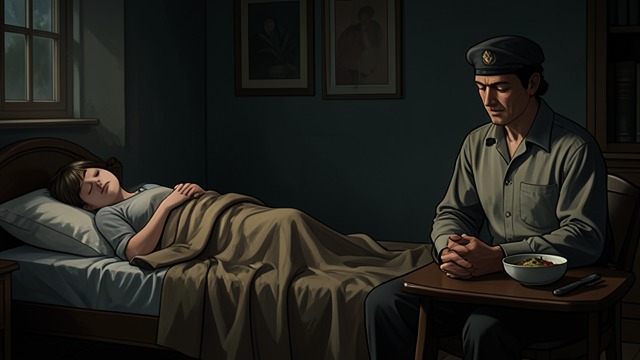
Will and Squares work at Covenant House, where runaway youth are welcomed without being reduced to their worst choices. The shelter aims to offer a place where a young person can sleep safely, eat, and be treated as someone worthy of attention.
That commitment requires more than good intentions. Staff greet young people directly, listen without rushing them, and avoid looking past them toward a more respectable audience. Trust depends on making care visible and dependable.
Limits and Persistence
Will knows the work often fails to keep young people away from the streets. Some return to dangerous situations, and the damage they experience can be lasting. The shelter’s value lies partly in refusing to treat those failures as proof that a young person is beyond help.
The shelter’s approach establishes a moral contrast with a world that treats vulnerable people as disposable. Care cannot promise a clean outcome, but it can offer safety and recognition at a moment when both are scarce.
The Outreach Without Force
Trust Before Rescue
Letting the Young Person Choose
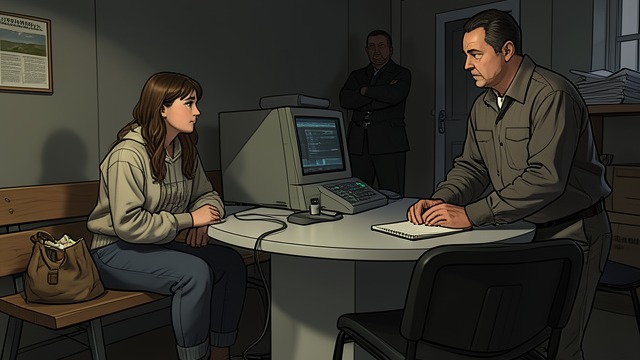
On outreach, Squares speaks to Jeri without forcing her to disclose what she knows. He offers food, shelter, and a way to contact the shelter, while accepting that pushing harder could drive her away.
The encounter expresses a hard-won principle: immediate rescue is not always possible, and an intervention that destroys trust may make later help impossible. Squares works to leave a door open rather than demand that a frightened young person walk through it at once.
The Work of Returning
Squares’s repeated visits and small gestures allow young people to decide when they are ready to accept assistance. He uses consistency to challenge the assumption that every adult will disappear, exploit them, or punish them.
The method is slow and uncertain, but it treats agency as part of care. The young person is not a problem to be removed from the street; she is a person whose trust has to be earned.
Sheila’s Transformation
A Life Beyond Exploitation
Coercion in the Past
As a teenager, Sheila is recruited and exploited by Louis Castman, who uses manipulation, confinement, and drugs to control her. Her early life on the street is not a free choice or a simple phase she can later erase.
Castman’s account exposes the violence beneath his supposedly polished recruitment. Sheila survives, leaves his control, and eventually builds a different life, but the history remains part of her experience rather than a stain that makes her unworthy of love.
Care Given Forward
At Covenant House, Sheila becomes a source of steadiness for young people who may recognize parts of their own experience in hers. She helps others while carrying her own history, demonstrating that a survivor’s past need not prevent her from offering care.
Will’s later discovery of the identity exchange complicates what he thought he knew about her, but it does not make the work he witnessed unreal. The novel distinguishes the facts of a hidden identity from the genuine kindness she gave to others.
Squares and the Limits of Redemption
Care Against Self-Condemnation
A Past He Cannot Undo
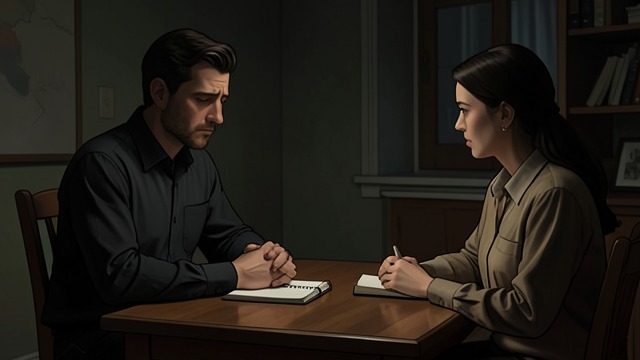
Squares tells Will that his young son, Michael, died in a car crash while in the care of the child’s mother. Squares had been absent and now carries guilt that his work among vulnerable youth cannot simply erase.
He hopes that saving young people might somehow change what happened to Michael. Yet his confession reveals the limit of that hope: helping others cannot retroactively make him a different father to the child he lost.
Choosing to Stay Open
Will tells Squares that he is wrong to believe he is beyond saving. The reassurance does not dissolve Squares’s grief, and Squares resists easy rationalizations, but the conversation allows him to speak honestly rather than remain alone with his guilt.
His later decision to tell Wanda about his son and face their future together signals a possible change. Redemption is not a balance sheet in which good deeds cancel harm; it is a willingness to be present and responsible now.
A Future Built on Care

Responsibility After Revelation
A Child’s New Home
Will and Nora wait at Newark Airport to meet Carly, whose mother, Julie Miller, is dead and whose father, Ken, has been arrested. The adults approach the meeting with affection and fear, aware that becoming a family will require more than the happiness of a reunion.
Ken asks Will and Nora to raise Carly and to keep her from visiting him in prison. Will’s promise accepts a demanding responsibility while leaving unanswered questions about whether that condition will always serve Carly’s needs.
Care Without Possession
When Carly arrives and smiles at Nora, Will recognizes Sunny’s warmth in her expression. The moment ties the family’s future to its losses without making Carly a replacement for anyone who has died.
The closing image makes care an ongoing obligation rather than a simple reward. Will and Nora must protect a child, tell her a truthful story, and make room for the family she has lost as well as the people who will raise her.
Before the investigation begins
During the night searches for missing youth
From Sheila’s teenage years to her work at Covenant House
When Squares tells Will about his son
At the airport, after Ken’s arrest
